This post was originally published on this site.
—
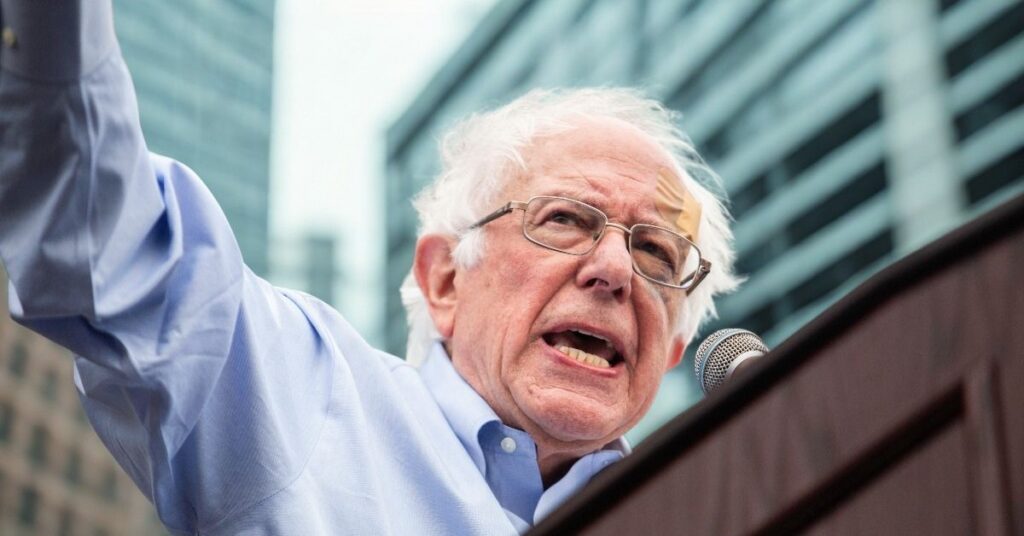
Recently, Bernie Sanders, the U.S. Senator from Vermont, and Rep. Ro Khanna proposed legislation that would send a majority of Americans a one-time payment of $3,000. This could help many Americans put more money in their pockets, especially those living on just Social Security.
To raise money for these payments, Sanders says he wants to create a new wealth tax on anyone in the United States who has assets exceeding $1 billion. Critics of this plan include famous entrepreneurs like Elon Musk, who have publicly battled Sanders over the effectiveness of this plan. Others say the plan is unconstitutional.
Find Out: 14 moves seniors could benefit from but often forget about.
Sanders’ and Khanna’s new proposal: Make Billionaires Pay Their Fair Share Act
Sanders’ and Khanna’s legislation is called the Make Billionaires Pay Their Fair Share Act. If passed, it would create a 5% annual federal wealth tax on those who have a net worth of $1 billion or more. Net worth is based on net assets, not annual income. The goal would be to raise money to redistribute to the American people and increase several government benefits.
Shopping for cheaper auto insurance? Enter your zip code here to get started.
The new proposal could raise $4.4 trillion over the next decade
Sanders estimates that if passed into law, it would create $4.4 trillion of revenue over the next 10 years. Sanders and Khanna proposes using that income to fund social welfare programs and make direct payments to qualifying Americans.
The proposal would also create a registry of billionaires who would be required to report the value of their assets every year. The $ 4.4 trillion figure is only an estimate and would depend on how effectively the government can collect these taxes.
The Americans who would qualify for a $3,000 check
Sanders’ and Khanna’s proposal seeks to give each American, including children, $3,000, as long as they are living in a home that earns $150,000 or less annually. These checks would come as a one-time payment, not an annual check. That means a family of four could potentially get a $12,000 check if they qualify.
The Act would also reverse cuts to Medicaid and the Affordable Care Act and preserve more than 7 million affordable homes. Additionally, it would cap childcare costs to 7% of a family’s income and establish a $60,000 minimum income for teachers.
Grow Your $$: 9 things you must try when your savings reach $50,000
Critics of the proposal say it may be unconstitutional
Many critics of this proposal explain that a wealth tax could be unconstitutional because the 16th Amendment allows Congress to tax income, not net worth. Taxing someone based on net worth could be considered a “direct tax,” something the Constitution says needs to be divided among states based on population.
Because of this pushback, Sanders’ and Khanna’s bill may need more than just enough votes. It may need a constitutional amendment, which is much harder to achieve.
Tax implementation could be challenging
Others point out that implementing this new tax could be challenging and could significantly affect the economy. It also may be difficult to calculate exactly how much specific assets are worth. Additionally, if billionaires have to divest significant shares in top companies to pay these taxes, that could create sell-off ripples, which could have wider-reaching effects on everyday investors.
Elon Musk is one of the biggest critics of this proposal
The billionaire founder of Tesla and SpaceX, Elon Musk, has been vocally against Sanders’ and Khanna’s proposal. His argument is that even if the government taxed billionaires more than what Sanders and Khanna are proposing, it still wouldn’t be enough to wipe out the national debt.
However, Sanders’ goal with his proposal wasn’t to pay off the national debt. Rather, the goal is to issue some Americans a one-time check as well as expand funding to specific programs.
Dave Ramsey Urges Americans to Become Debt-Free: Try these 7 clever ways to crush your debt
The status of the bill today and next steps
Currently, the bill has only been introduced. In March, the Senate read the bill twice and referred it to the Committee on Finance. It will have to pass in the Senate and in the House to have a chance of becoming a law. If it passes both, it will be sent to the president, who can either sign it into law or veto it.
Because of the steps necessary to turn this proposal into law and because Sanders, an independent who often aligns with Democrats, is trying to pass a law in a Republican-controlled Congress, it’s unlikely this proposal will make it into law.
Bottom line
If the Make Billionaires Pay Their Fair Share Act became law, it would create a 5% wealth tax on America’s billionaires. Sanders’ and Khanna’s proposal is one of many current wealth-tax proposals across the country. Currently, the proposal has drawn criticism from several groups and individuals and faces several obstacles in becoming law. Americans should not expect a $3,000 check anytime soon to eliminate some money stress.
More from FinanceBuzz: